Successful & sustainable restoration
Restoring the reefs thatlock away carbon.
CV Carbon restores ecosystems by partnering with the commercial oyster industry - ensuring sustainability and re-establishing historic reefs using proceeds from carbon capture credits.
- of oyster reef habitat has been lost globally over the past 130 years.
- 85%
of oyster reef habitat has been lost globally over the past 130 years.
- of oyster shell mined from Texas bays alone between 1912 and 1971.
- 300M yd³
of oyster shell mined from Texas bays alone between 1912 and 1971.
- of water filtered by a single adult oyster in a single day.
- 50gal
of water filtered by a single adult oyster in a single day.
- of net revenue guaranteed back into the water to expand oyster habitat.
- 30%
of net revenue guaranteed back into the water to expand oyster habitat.
CV Carbon’s Mission
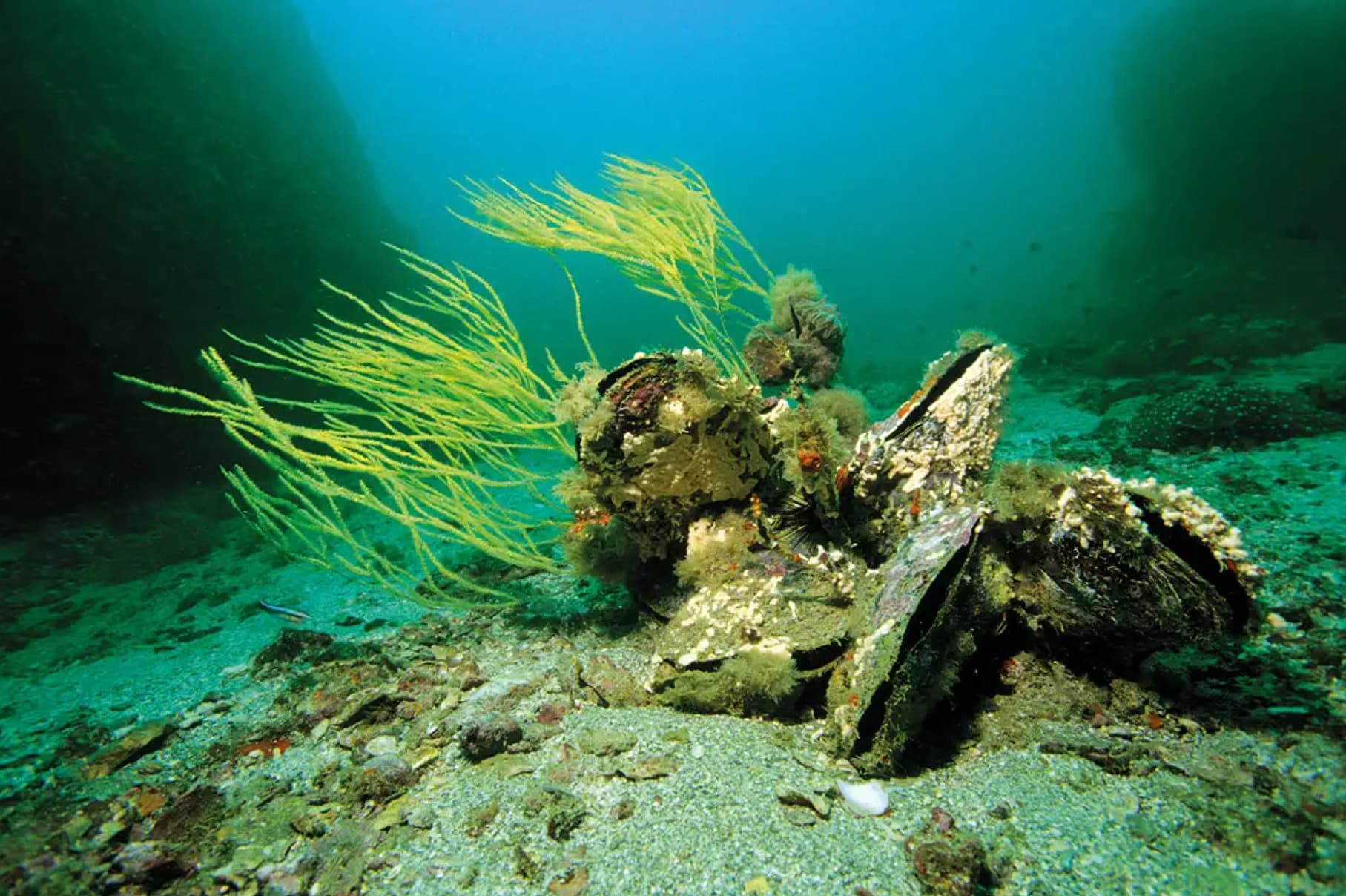
The ecological benefits of oyster reefs have long been recognized as playing a major role in enhancing water quality and stabilizing shorelines around the world.
Adding to their repertoire of impressive ecological deeds, oysters are now understood to be one of the planet’s most efficient carbon-sequestering organisms — both increasing the ecological capacity of their bay systems and locking away carbon in their calcium carbonate shells.
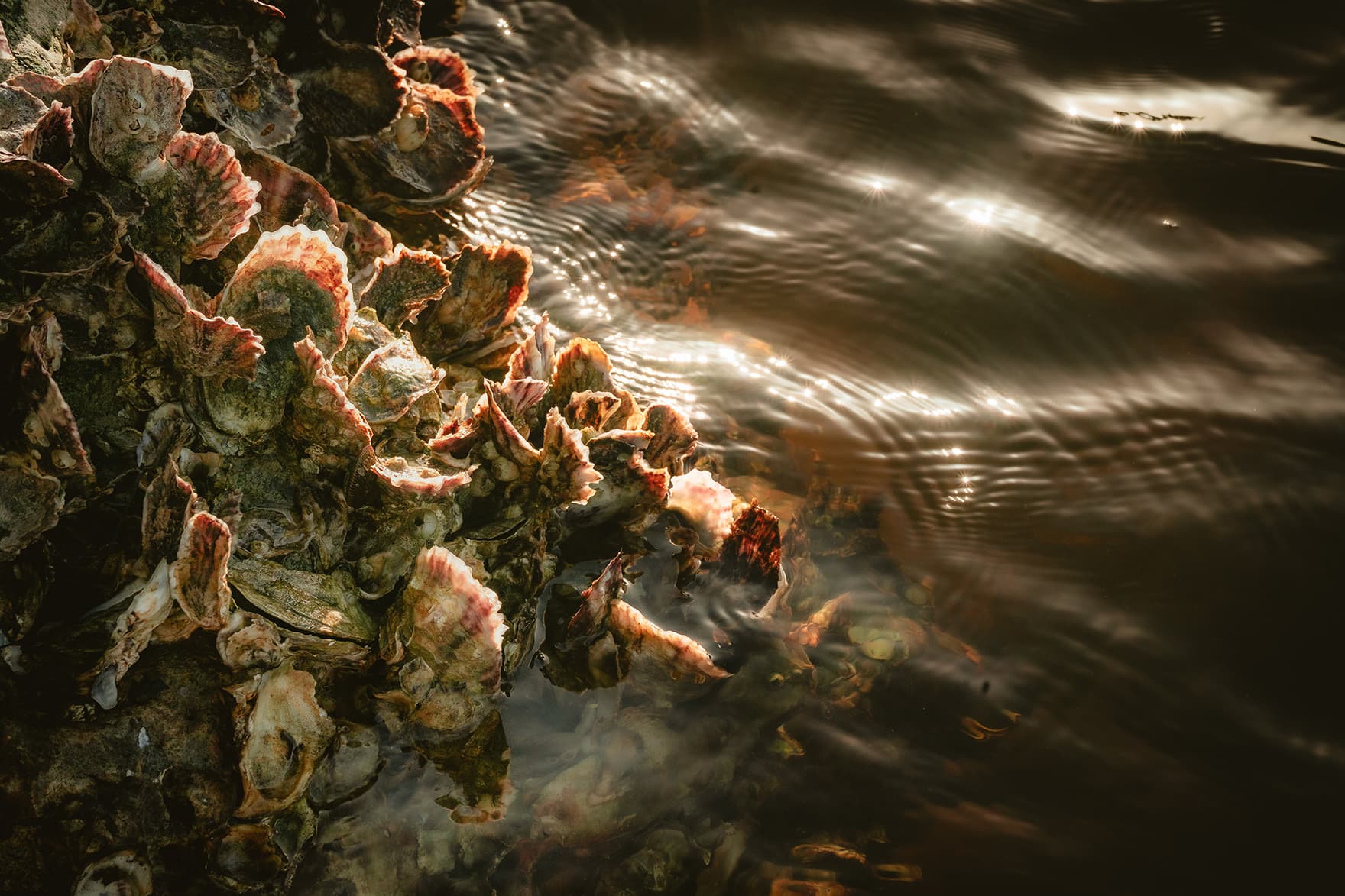
Since the Native Americans first settled along the coastline of the Northern Gulf of Mexico, oyster reefs have been revered as a vital source of both human nutrition and marine habitat. The ecological benefits have long been recognized as playing a major role in providing spatial habitat for a multitude of other marine organisms, enhancing water quality, and stabilizing shorelines around the world.
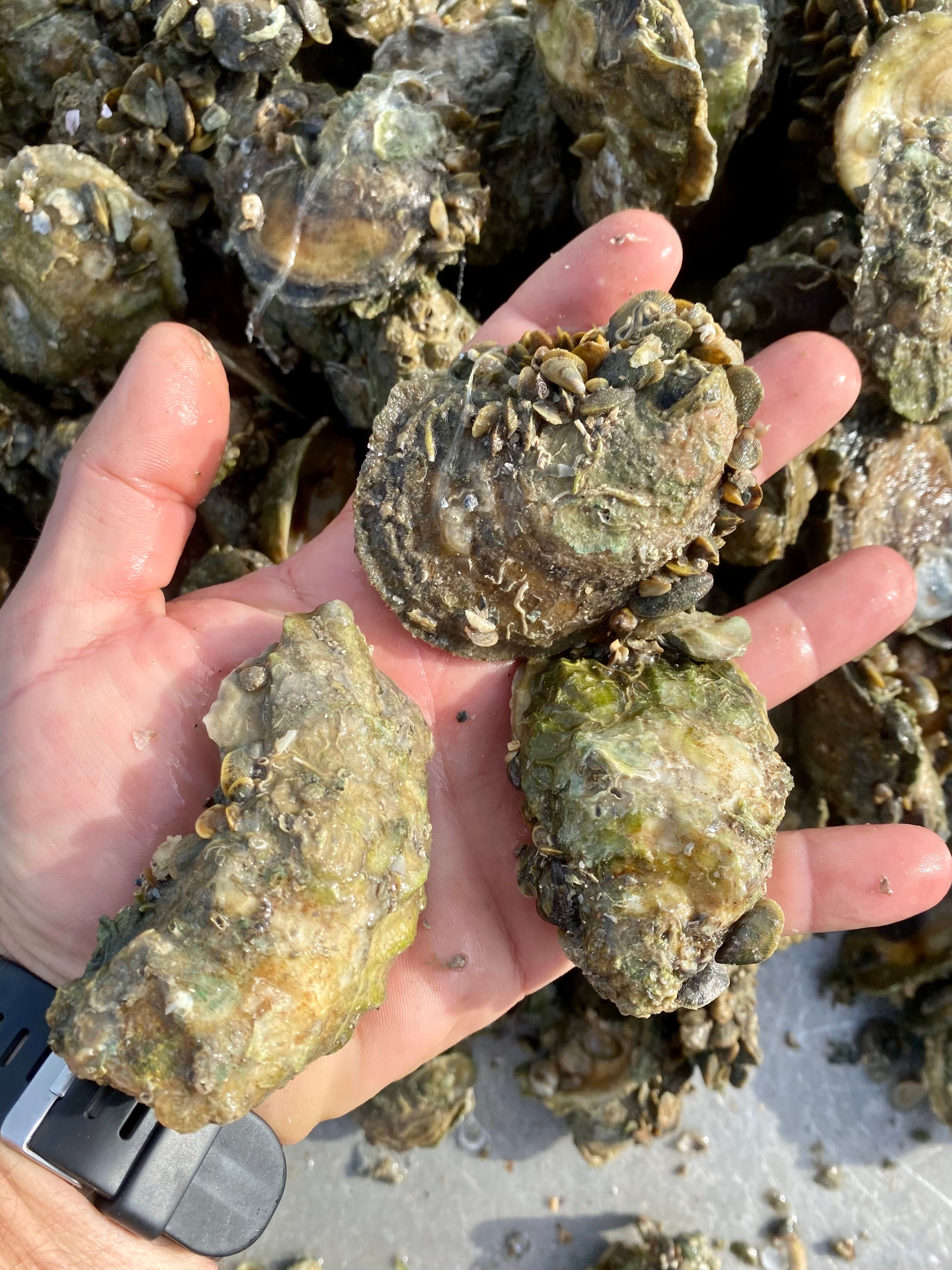
Oysters are considered ecosystem engineers because of their remarkable ability to build reefs. Unfortunately, oyster reefs have been identified as the most degraded estuarine habitats in the world; roughly 85% of oyster reef habitat has been lost globally over the past 130 years.
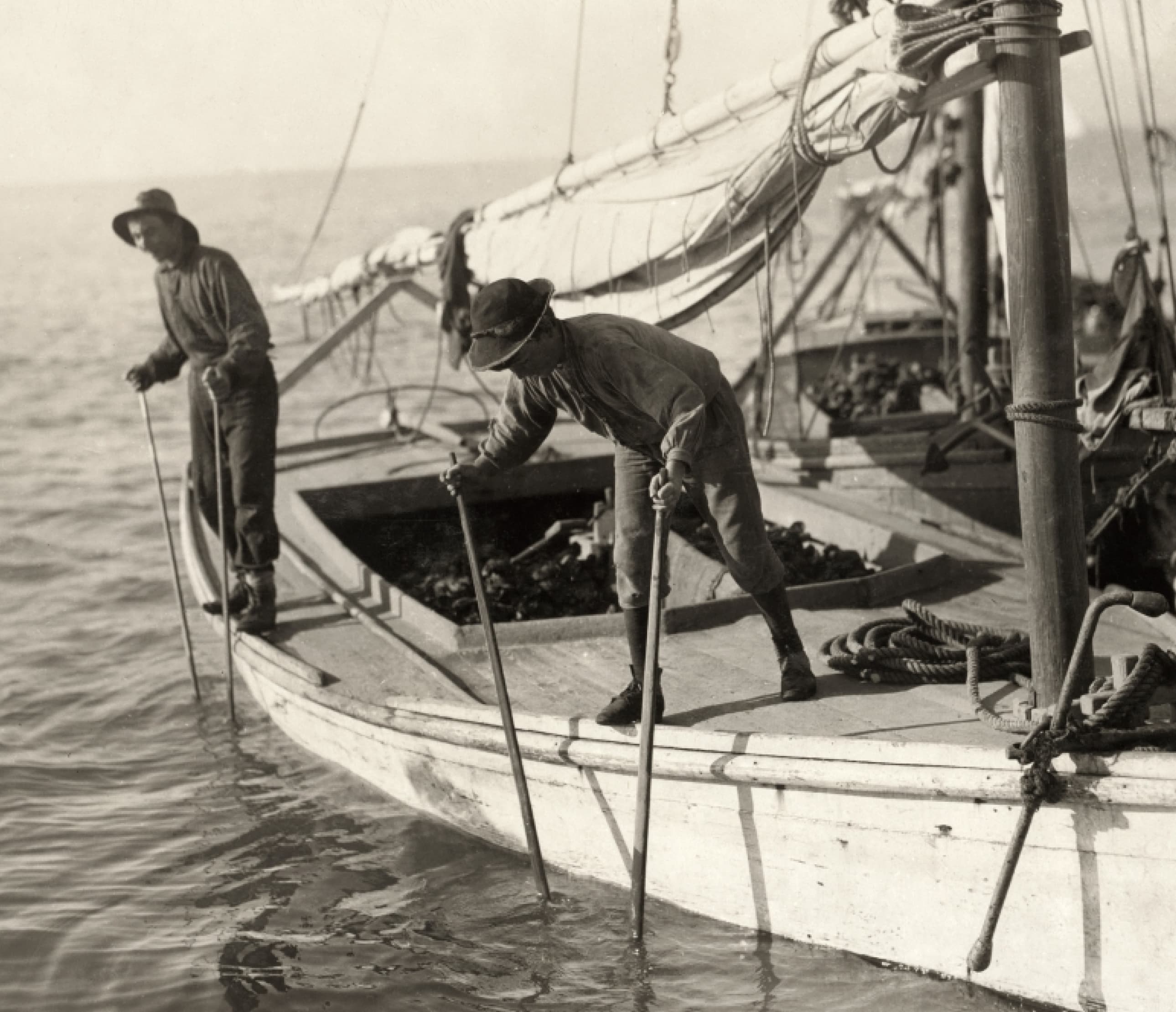
Historic losses are attributable to multiple drivers including the past practice of mining oyster shells for use as aggregate, alterations made to freshwater inflows, and other changes that affected the hydrodynamics of our bays and estuaries. In Louisiana, there was once an oyster reef running along the state’s central coastline estimated to have been approximately 100 miles long and 5 to 10 miles wide — researchers refer to this massive historic reef as the Great Barrier Reef of the Americas, and attribute its decimation to the shell mining operations of the 20th century.
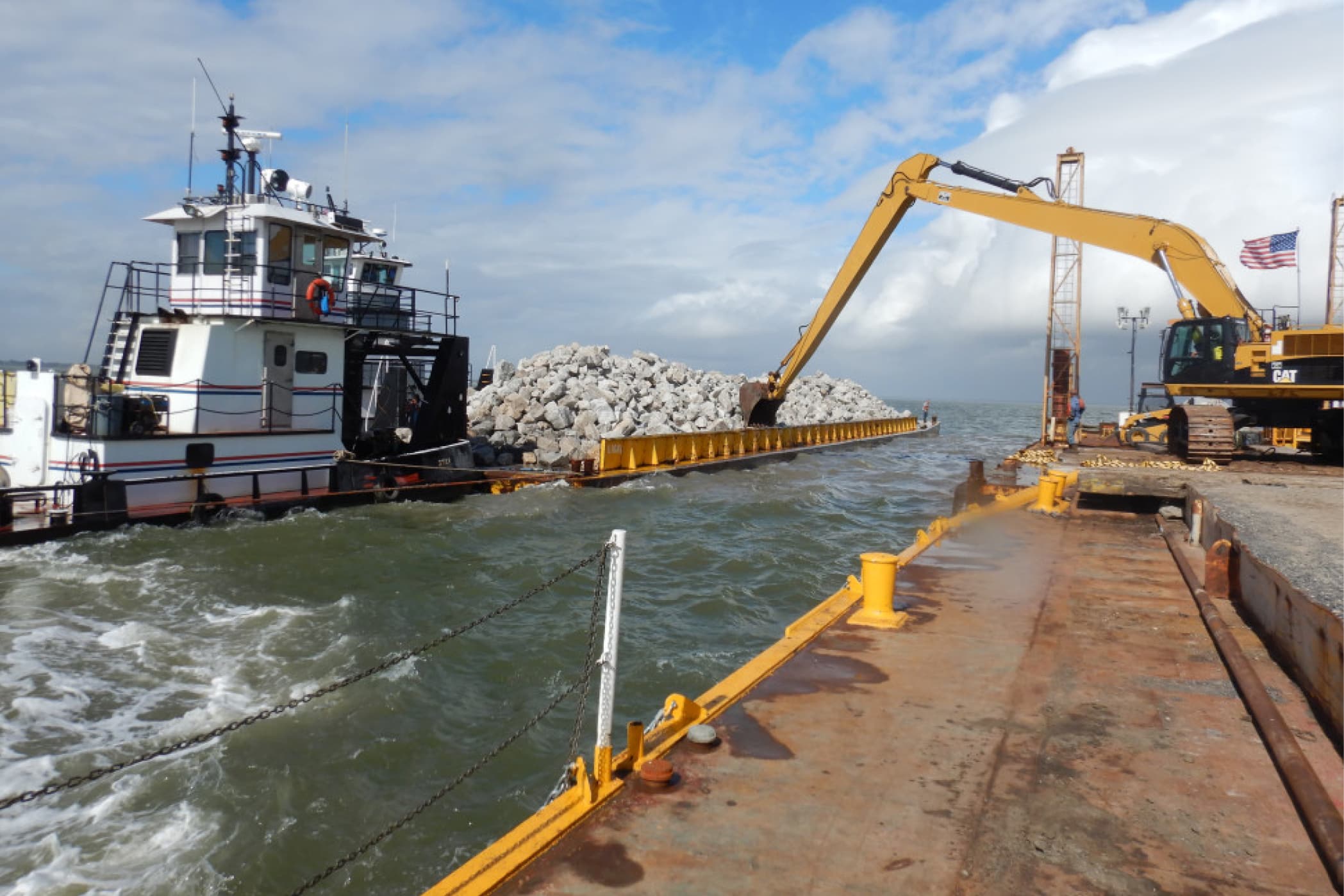
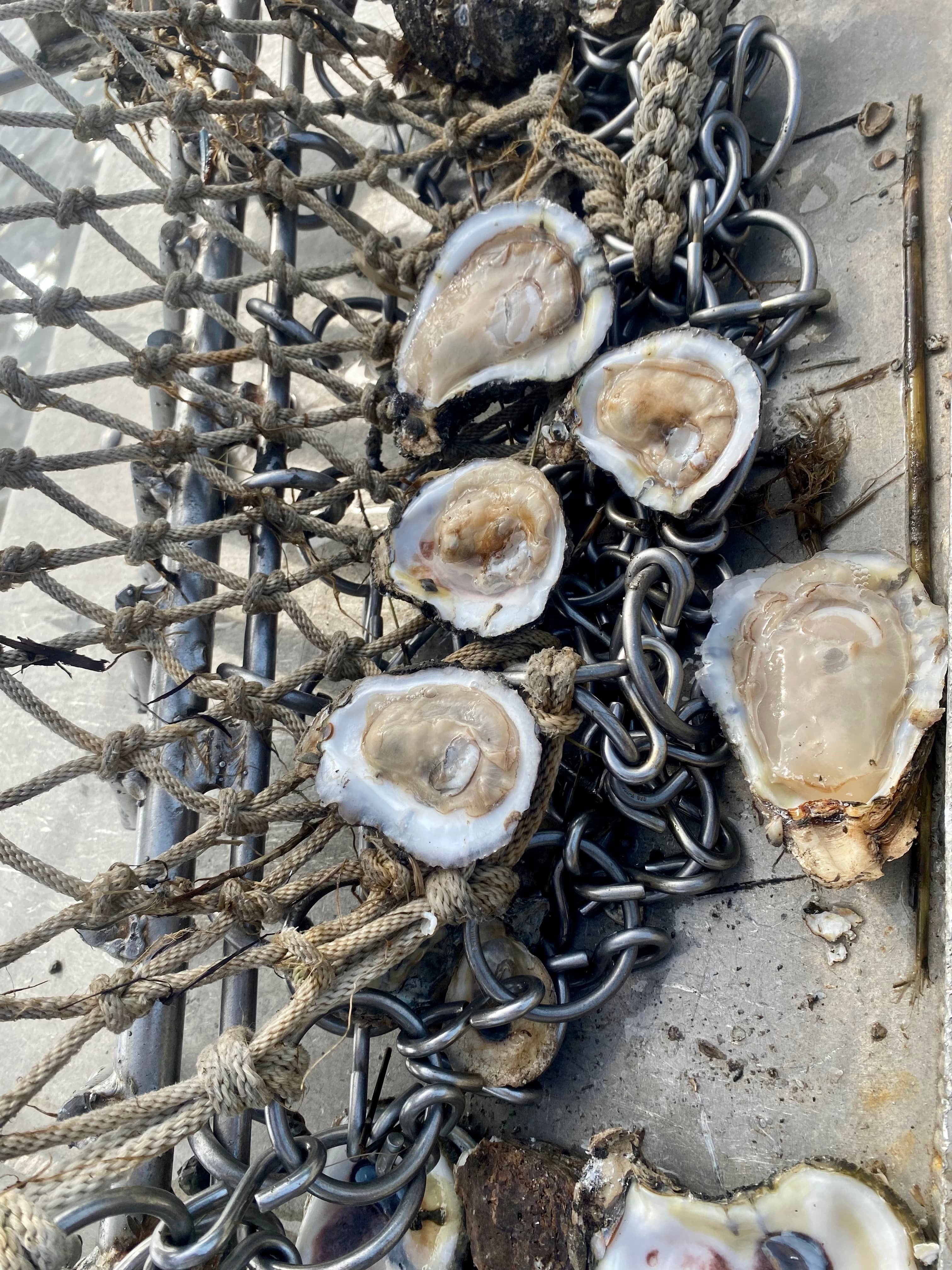
Despite the overwhelming decline, the oyster fishing industry has developed innovative methods to reliably and efficiently recreate this vital habitat in the portions of the bays with suitable salinities, temperatures, and flow. Today, the industry creates and maintains hundreds of thousands of acres of oyster habitat within their leases.
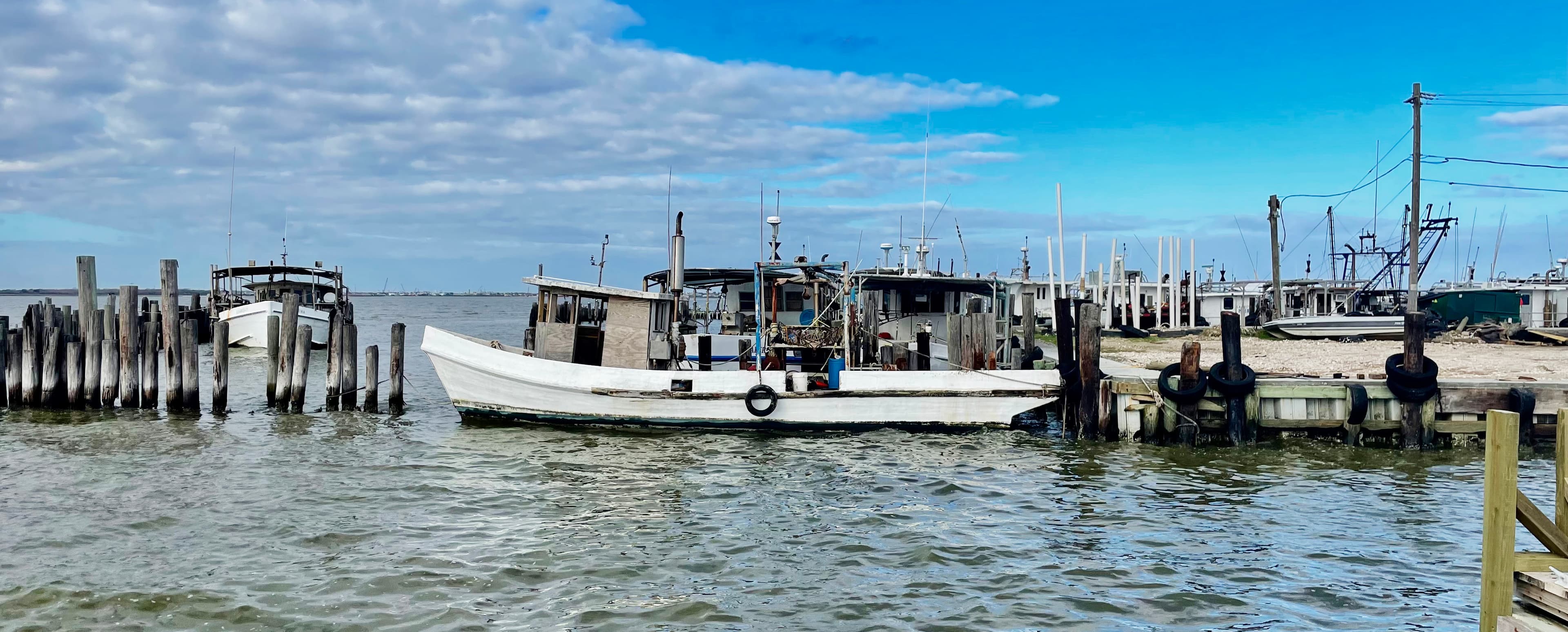
The Partnership
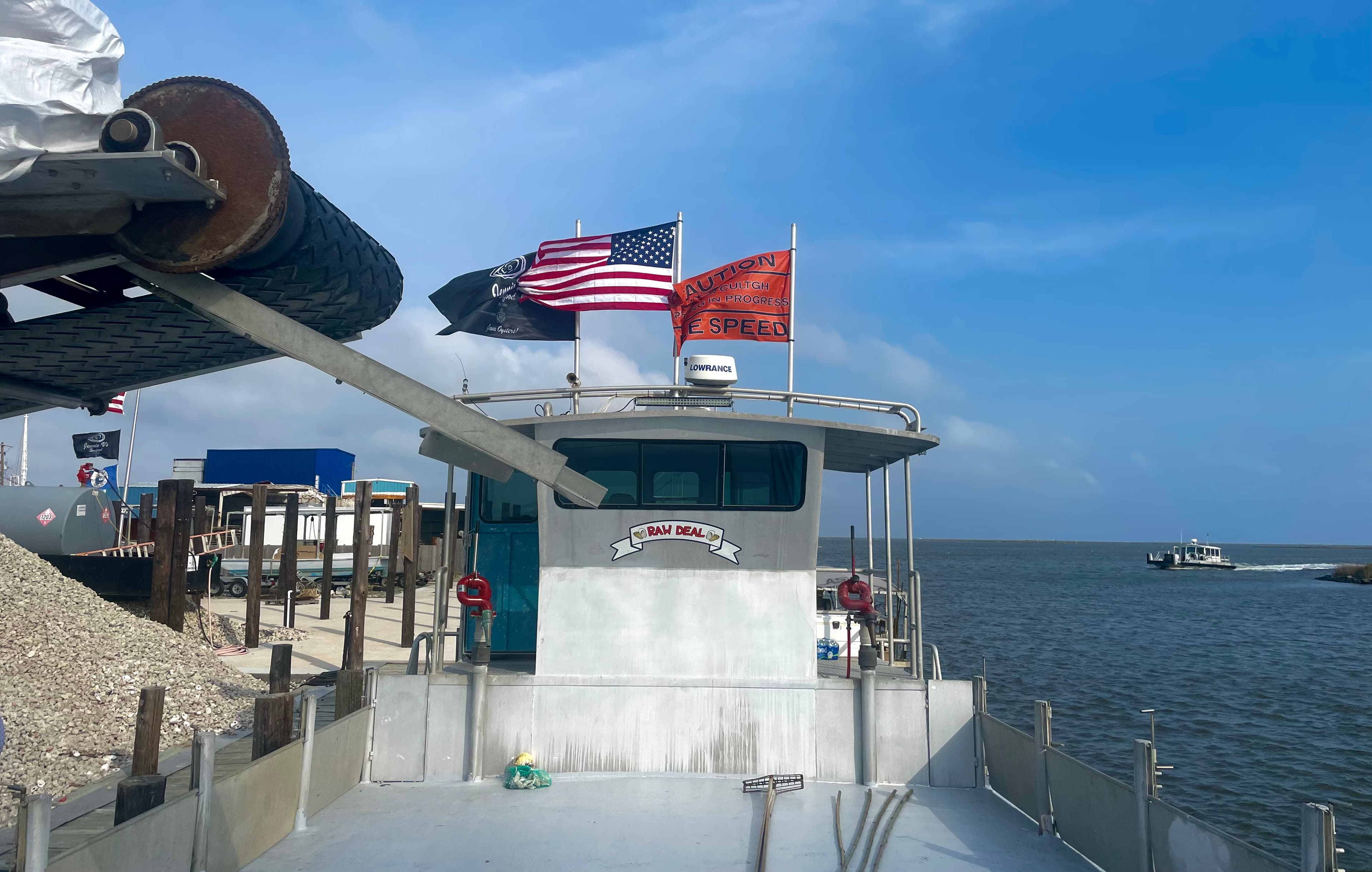
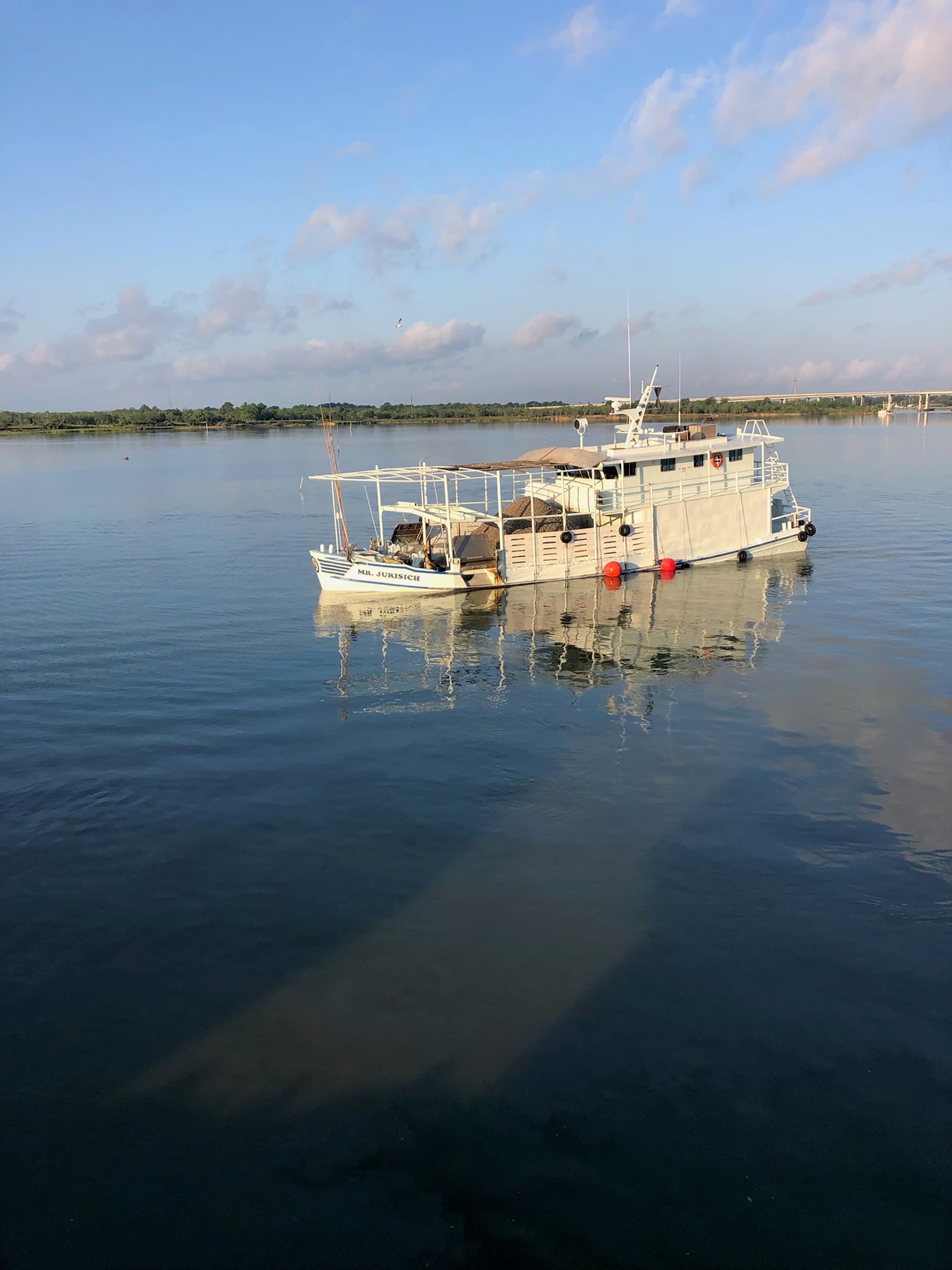
CV Carbon has partnered with the oyster industry to account for, verify, and sell the carbon offsets generated by cultivation practices within their leases.
Our partnership includes a guarantee that 30% of net revenue from all proceeds is put back into the water to improve and expand oyster habitat.
See every credit in the registryIntroduction
Four threads of the same story
The science of carbon capture, the history that razed these reefs, the restoration work rebuilding them, and the oystermen who make it possible.