Skip to content
CV Carbon
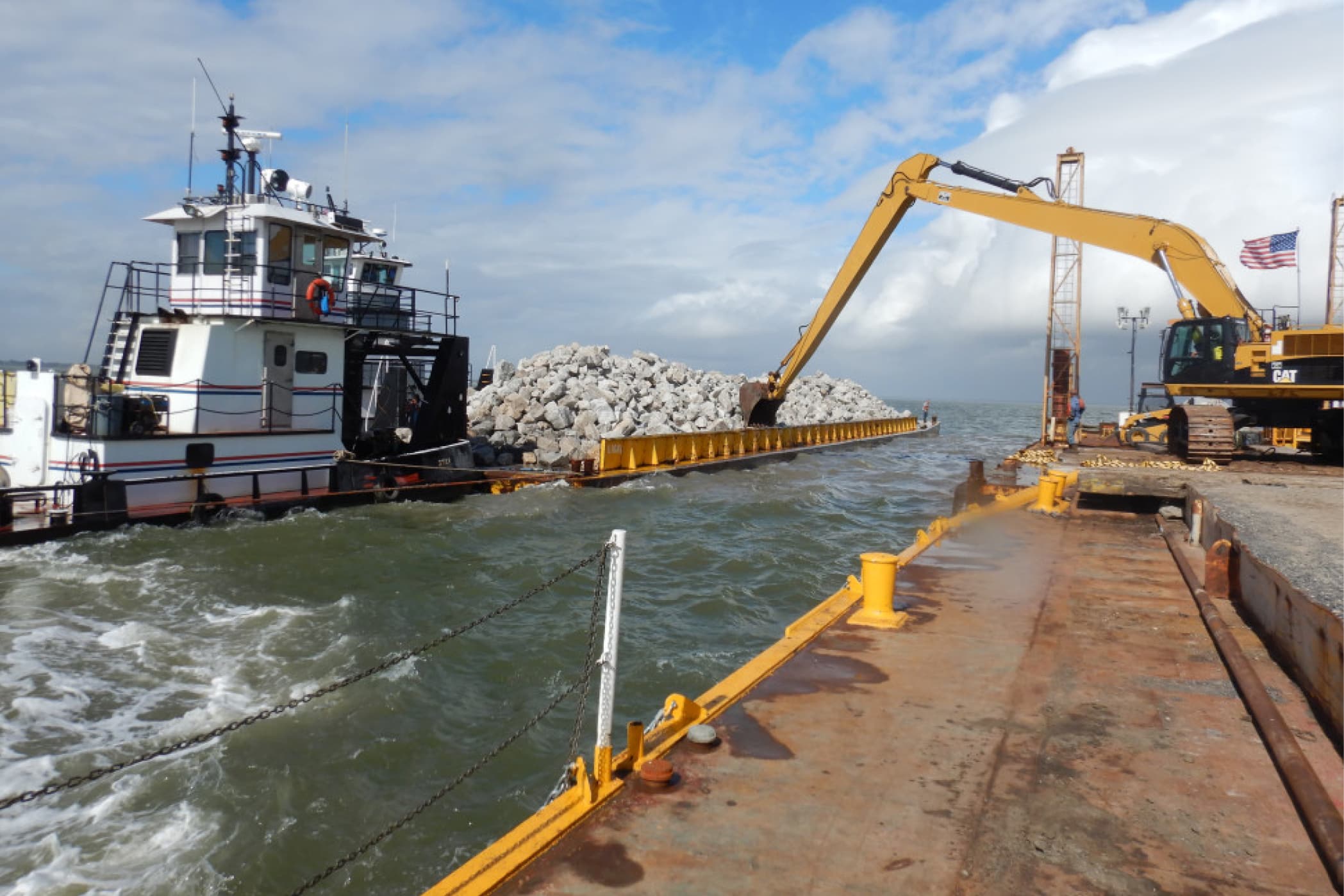
A barge and crane placing cultch material to build new oyster reef

Restoration

Restoring oyster
habitat

Place hard substrate in the right place, at the right time, and oysters will begin to colonize it. The historic losses in reef habitat are precisely what make large-scale restoration possible.

The historic losses in reef habitat provide the opportunity for large-scale restoration efforts. Fortunately, habitat restoration for the eastern oyster, Crassostrea virginica, is a straightforward process: all you do is place hard substrate — cultch material— in the right place at the right time, and oysters will begin to colonize it.

Restoration projects face several common challenges, which include marine fouling and the rapid burial of cultch in soft sediments. Fortunately, the commercial industry has developed effective methods for avoiding and minimizing both.

Oyster reef restoration efforts historically lagged far behind progress in other estuarine habitats — salt marshes, seagrass beds, mangroves — even though the cost of restoring oyster reefs, and the value of the ecosystem services derived from them, is roughly comparable. Contrary to the traditional view in which oysters are valued solely as a fishery commodity, the scientific literature clearly shows that oysters provide a host of nonmarket ecosystem services.

A century after the onset of steep declines in oyster landings around the United States, scientists and managers have finally begun focusing on managing oyster reefs as habitat for other species and for a broader array of services, instead of just for oyster harvest — part of a larger trend toward a more holistic, ecosystem-based approach to fisheries and ocean management.

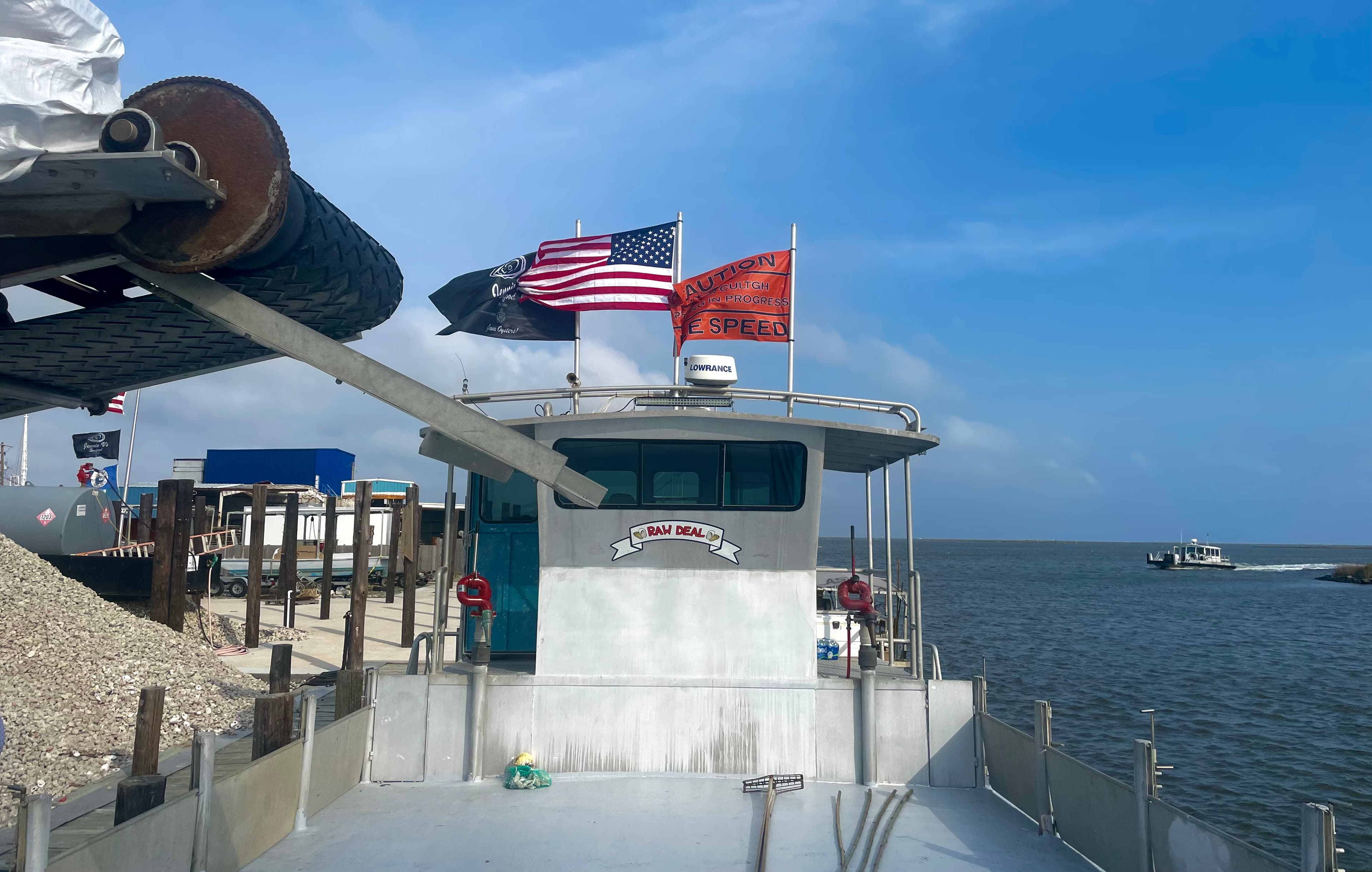
A large stockpile of oyster shell awaiting return to the water as cultch
Shell returned to the water is the raw material of new reef.

Common cultch materials

  • Shells
  • Recycled concrete
  • River rock
  • Limestone
is all it takes for cultch to become completely fouled — after which there is no opportunity for oyster recruitment.
2weeks

is all it takes for cultch to become completely fouled — after which there is no opportunity for oyster recruitment.

mass spawning events, in the spring and the fall. Cultch placed at peak spawn yields the most oysters.
a year

mass spawning events, in the spring and the fall. Cultch placed at peak spawn yields the most oysters.

the age of the spat in the photographs below — shells returned from a shucking house to the lease they came from.
3–4weeks

the age of the spat in the photographs below — shells returned from a shucking house to the lease they came from.

The Challenges

Two things will defeat a reef before it starts

Both are solvable, and both are solved the same way — by people who already know the sediment, the salinity, and the timing of their own water.

01

Marine fouling

Fouling is the colonization of the cultch material by organisms other than oysters — algae, tunicates, bryozoans, barnacles — and it begins as soon as the cultch is placed in the water.

In as little as two weeks the cultch can become completely fouled, covered in a biofilm, and there will be no opportunity for oyster recruitment. To achieve optimal restoration, cultch placement must occur close to when oysters are spawning and their larvae are in the water column.
02

Burial in soft sediment

Dense materials like limestone, concrete, and rock can sink into soft sediments — and once they are below the mudline they cannot be colonized by oysters.

Since the largest expense related to oyster restoration is the cost of the cultch material itself, ensuring sediment suitability and incorporating adaptive management into the planning process is key to successful restoration.

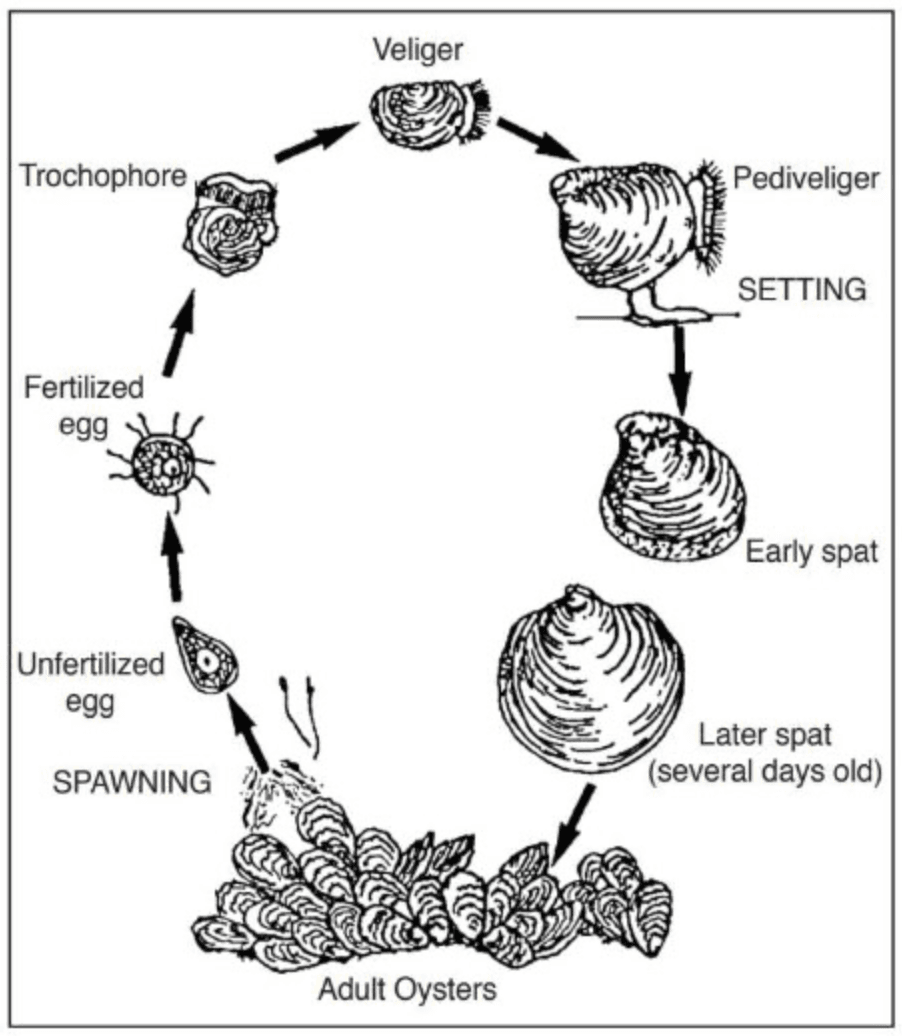
Diagram of the life cycle of the eastern oyster, from fertilized egg through trochophore, veliger and pediveliger larvae to setting, spat, and adult oysters
Figure 1. Life cycle of the eastern oyster, Crassostrea virginica. The trochophore and veliger larvae can swim and disperse to seek out favorable conditions. Once suitable conditions are found, the pediveliger larva secretes a concrete-like substance that glues it to the hard substrate. Once attached it is sessile, and grows into an adult oyster.1

The Timing

Right place, right time

Placing cultch material during peak spawning is the best way to ensure maximum oyster yield. Mass spawning events usually occur at least twice a year, in the spring and in the fall.

To thrive, oysters require specific ranges of salinity, temperature, depth, and water flow. These requirements have been carefully identified through scientific research, modeling, and years of experience on the water.

That experience is now being captured as data. Working alongside commercial fishermen, we log bottom conditions, dredge yields, and cultch placement to a shared geospatial map of every lease — work profiled by Esri’s chief scientist in Mapping Resilience: How CV Carbon and Oyster Fishermen Are Rebuilding Oyster Reefs.

Spat on Shell

Three weeks old, and already building reef

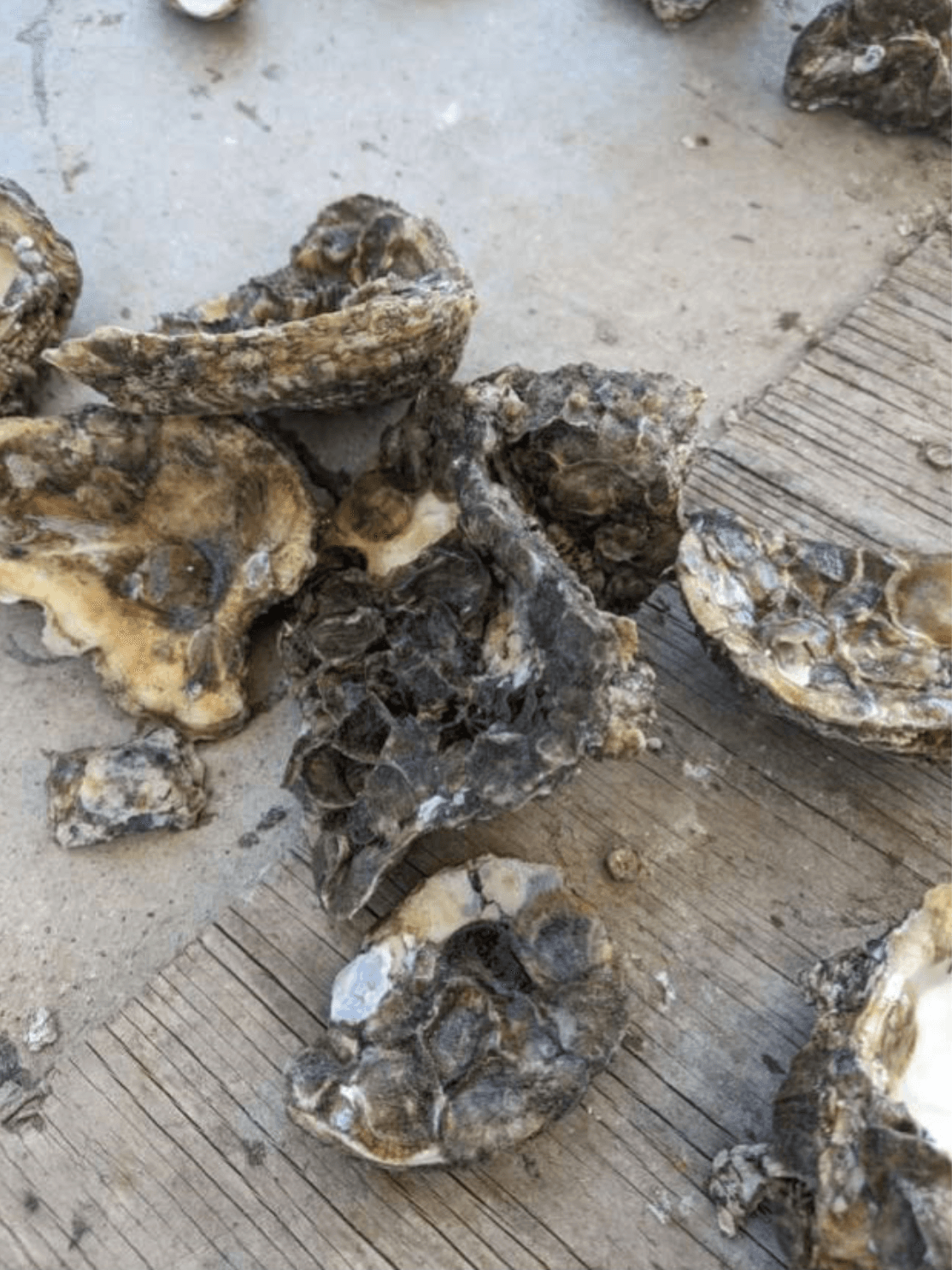
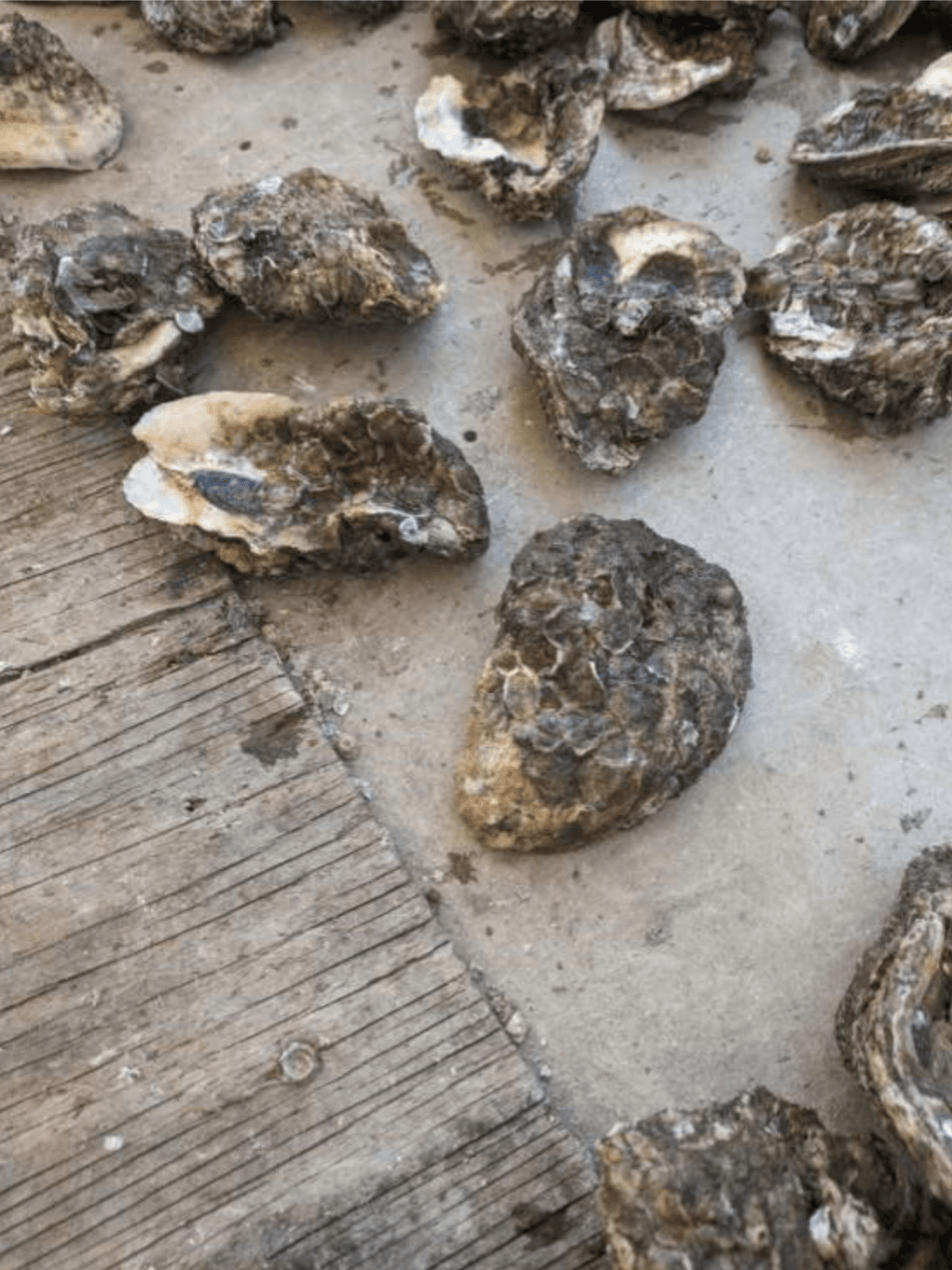
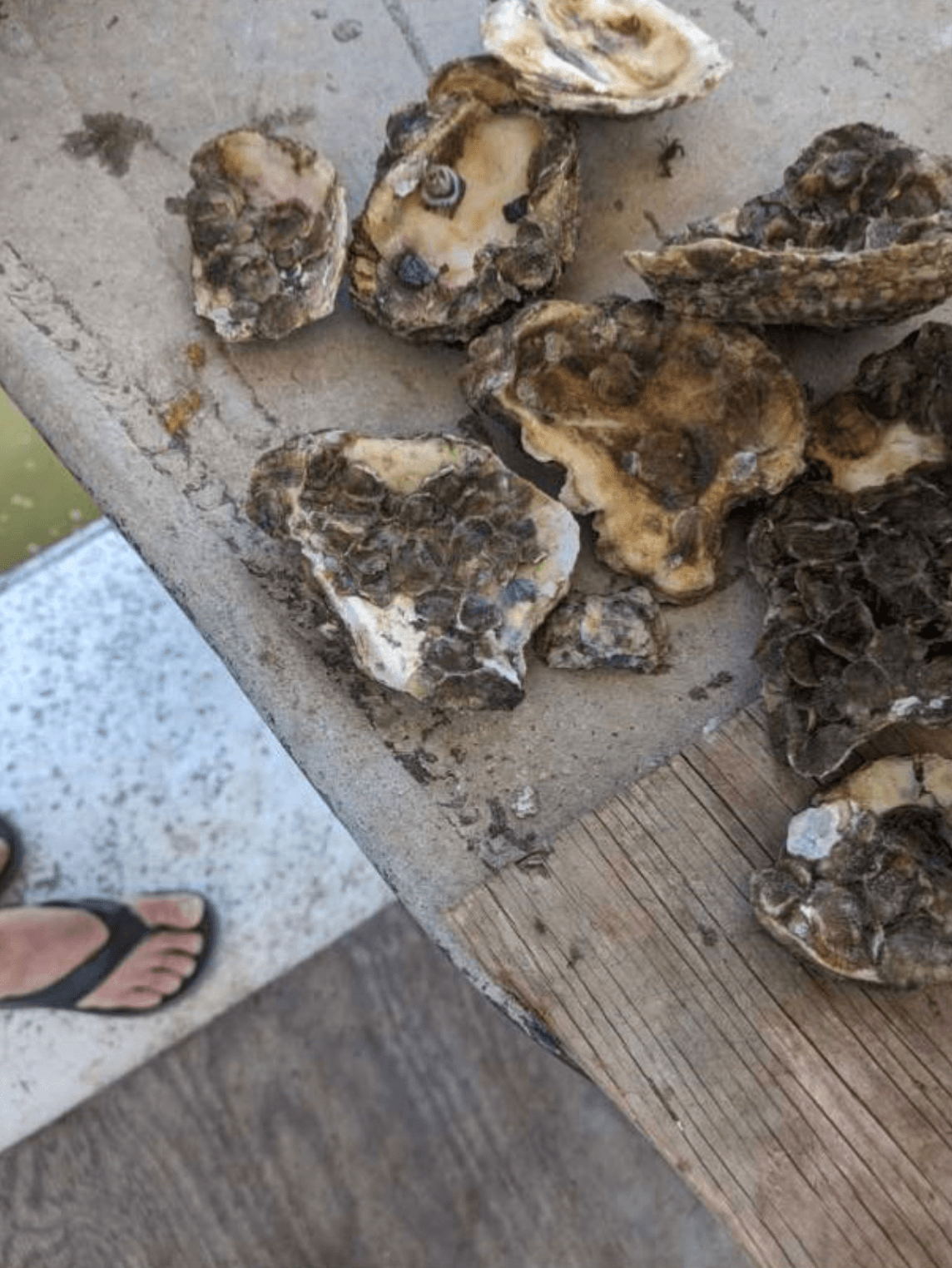
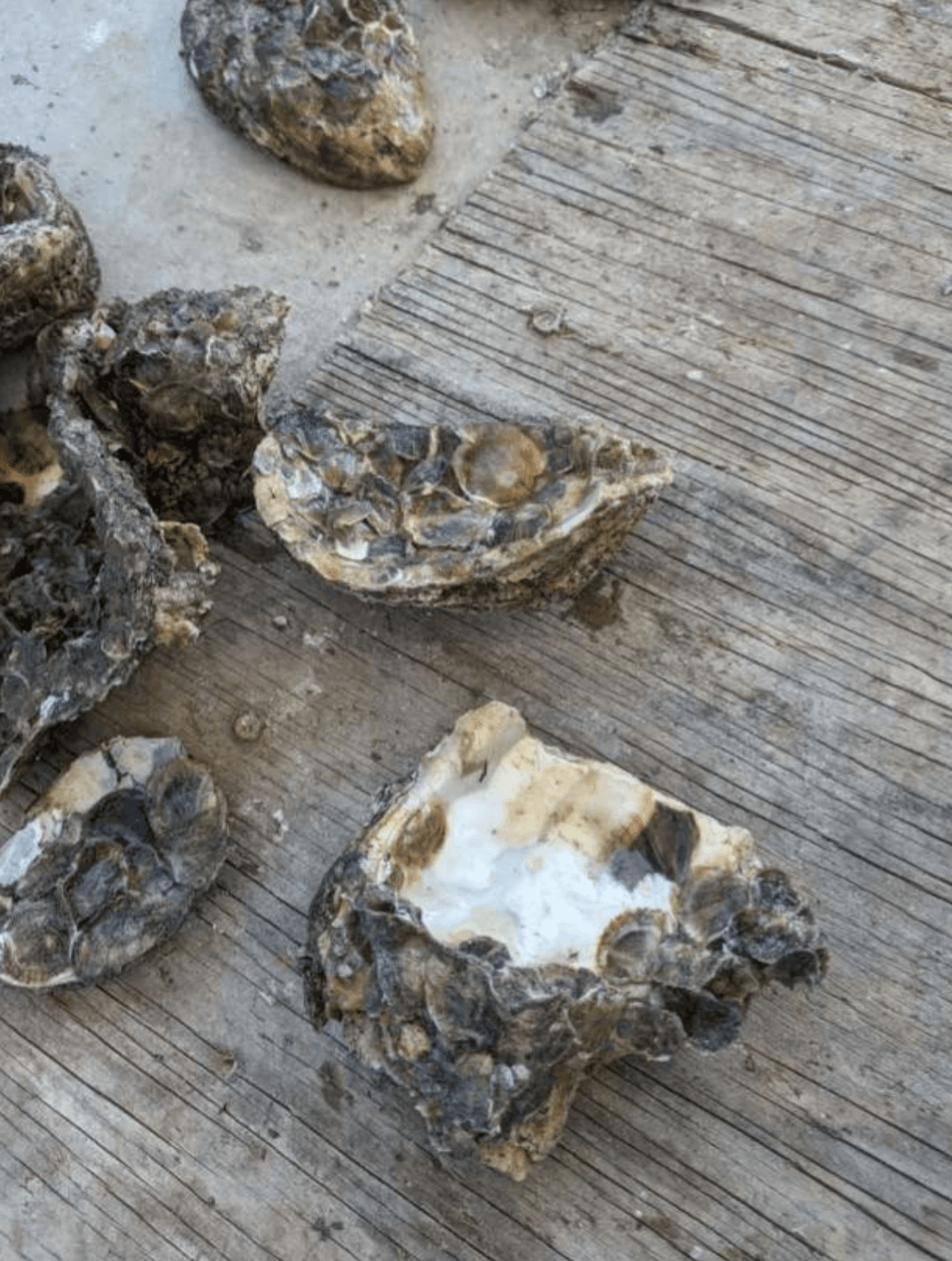
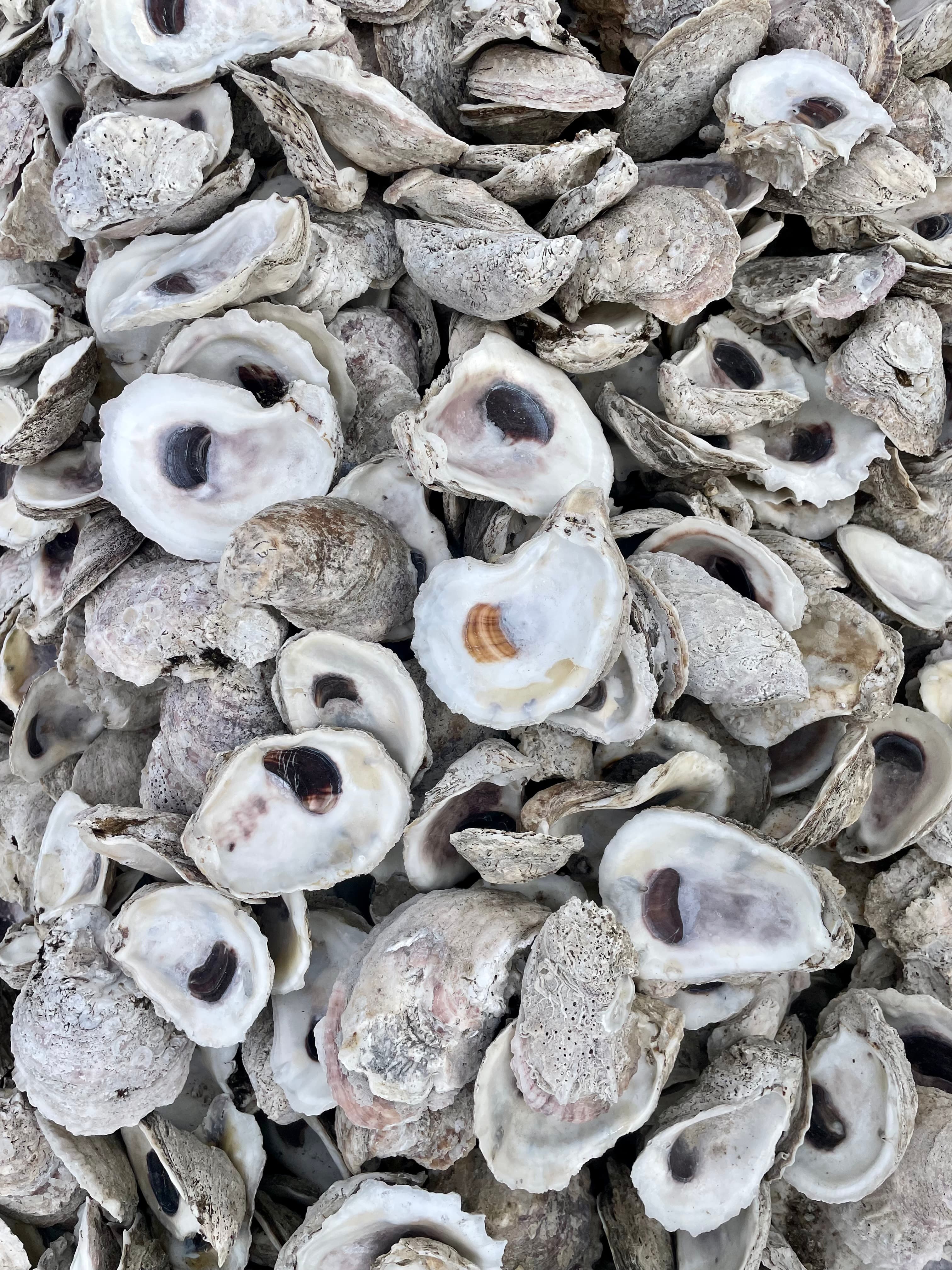
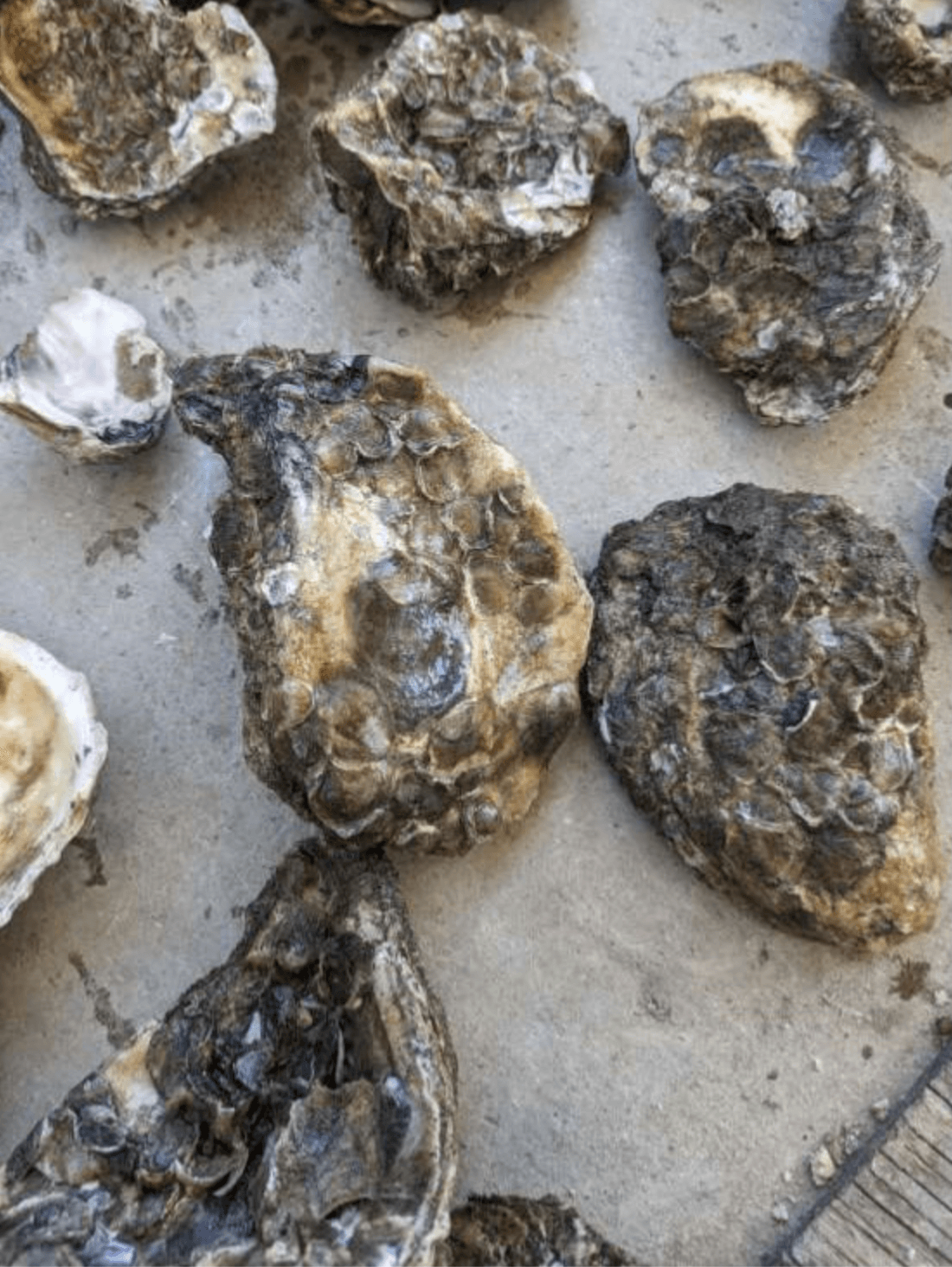
These are shells covered in spat— baby oysters. The shells were retrieved from a commercial shucking house and returned to the very oyster lease they were harvested from. The oysters growing on them are three to four weeks old.

Oyster shell carpeted with three-to-four-week-old spat, returned to the lease it was harvested from

Literature Cited

  1. 1Wallace, R.K., Waters, P., Rikard, F.S. 2008. Oyster Hatchery Techniques. Southern Regional Aquaculture Center, Publication No. 4301.

Next

Partnering with Oystermen

Continue