Partnering with Oystermen
The American commercial
oyster industry
Nobody knows these waters better. Restoring reefs inside working leases is the surest way to make sure they stay productive.
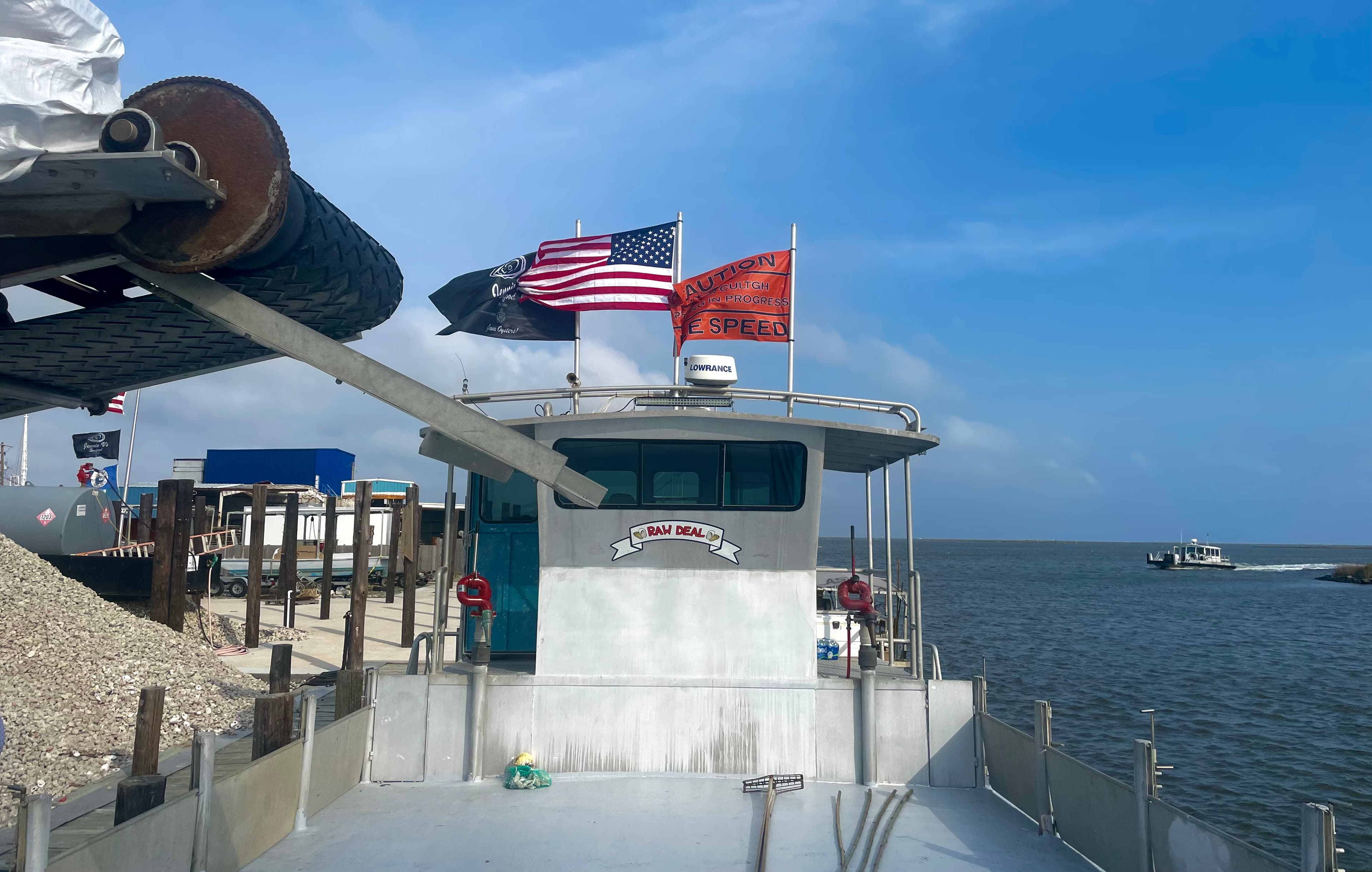
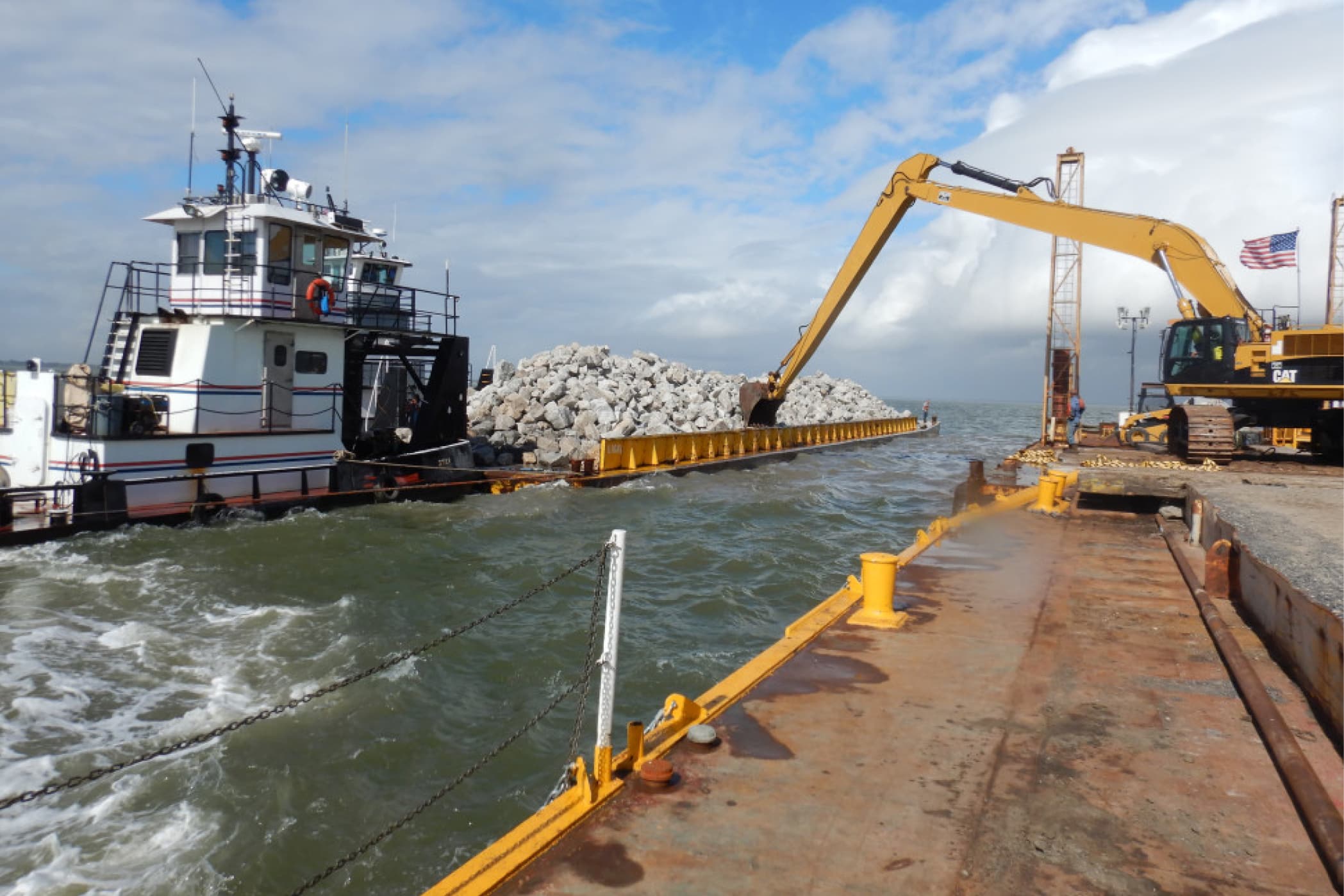
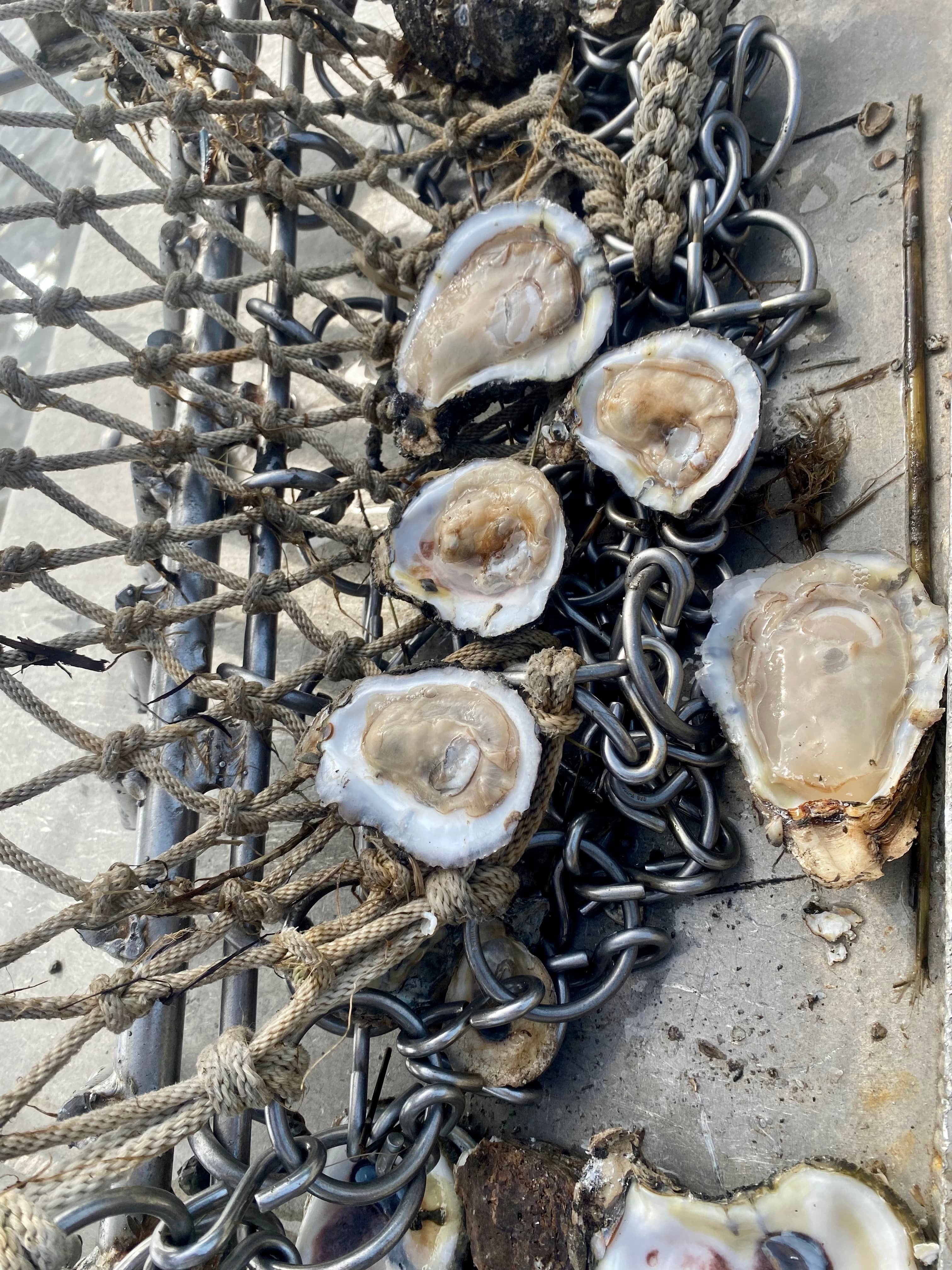
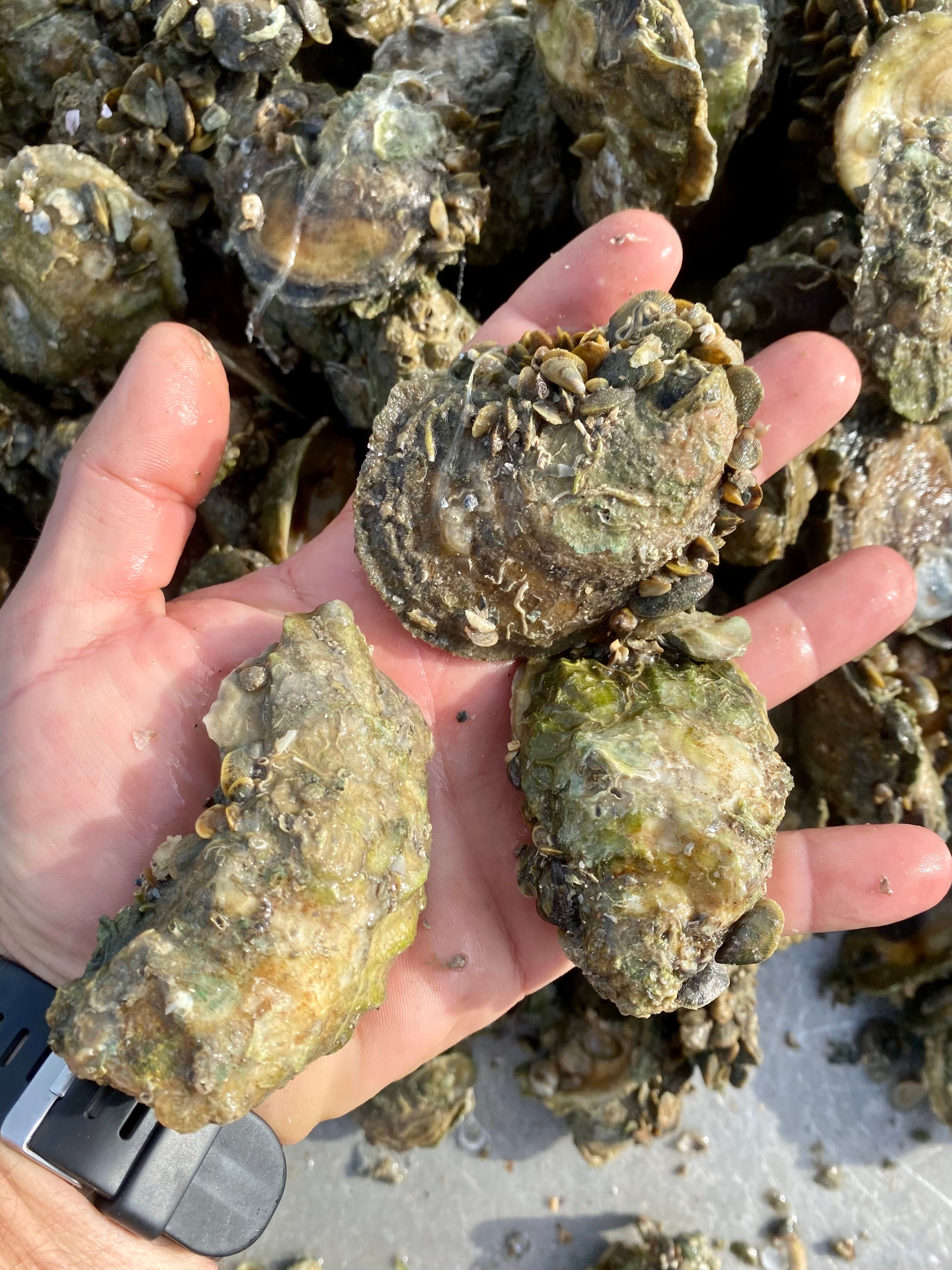
Partnering with commercial oystermen to restore reefs within their existing leases is the ultimate way to ensure that the restored reefs are highly productive and sustainable. They know what type of cultch material works best in their leases, they know where to place the material, and they know when to place it for optimized spat catch.
Additionally, they are experts at using adaptive management strategies to recover from and minimize the effects of uncontrollable events like hurricanes, floods, and droughts.
Most states located on the Gulf of Mexico and East Coast have a fishery management program that includes leases of otherwise public submerged land for oyster cultivation. While there is some variation in naming conventions, license requirements, rules, and regulations between the states, the leases generally provide the exclusive right to cultivate — by creating habitat — harvest, and sell shellfish and materials related to the shellfish, like their shells.
- of public oyster areas in Louisiana, alongside 404,000 acres of private leases.
- 1.7M acres
of public oyster areas in Louisiana, alongside 404,000 acres of private leases.
- of the 2020 commercial oyster harvest came from those private leases.
- 99%
of the 2020 commercial oyster harvest came from those private leases.
- more surface area in the public areas - which produced 1% of the harvest.
- 4.2×
more surface area in the public areas - which produced 1% of the harvest.
- landed from private leases in 2020, versus 34 thousand pounds from public reefs.
- 3.5M lb
landed from private leases in 2020, versus 34 thousand pounds from public reefs.
The Louisiana Evidence
Private leases carry the harvest - because leaseholders keep reinvesting
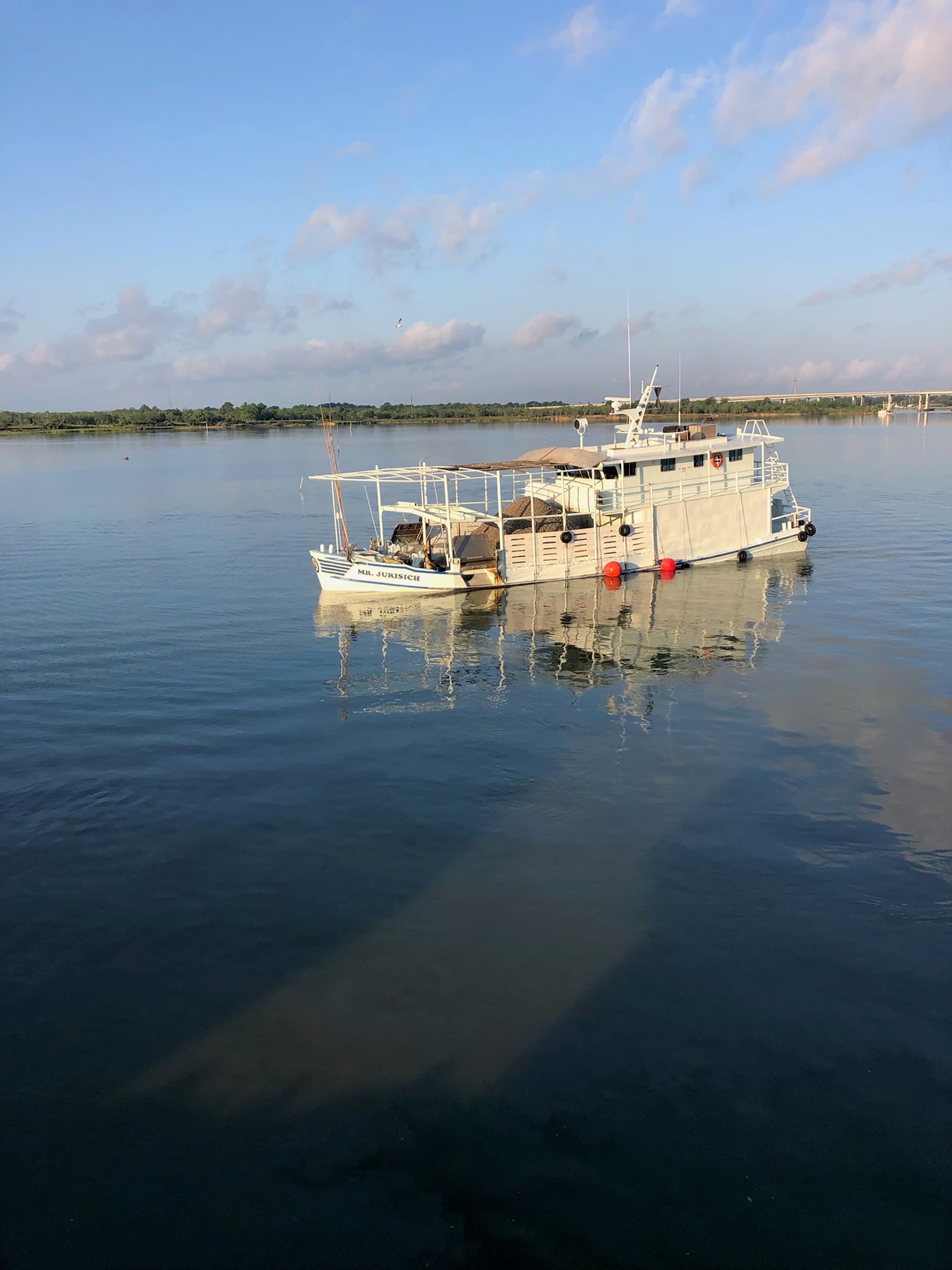
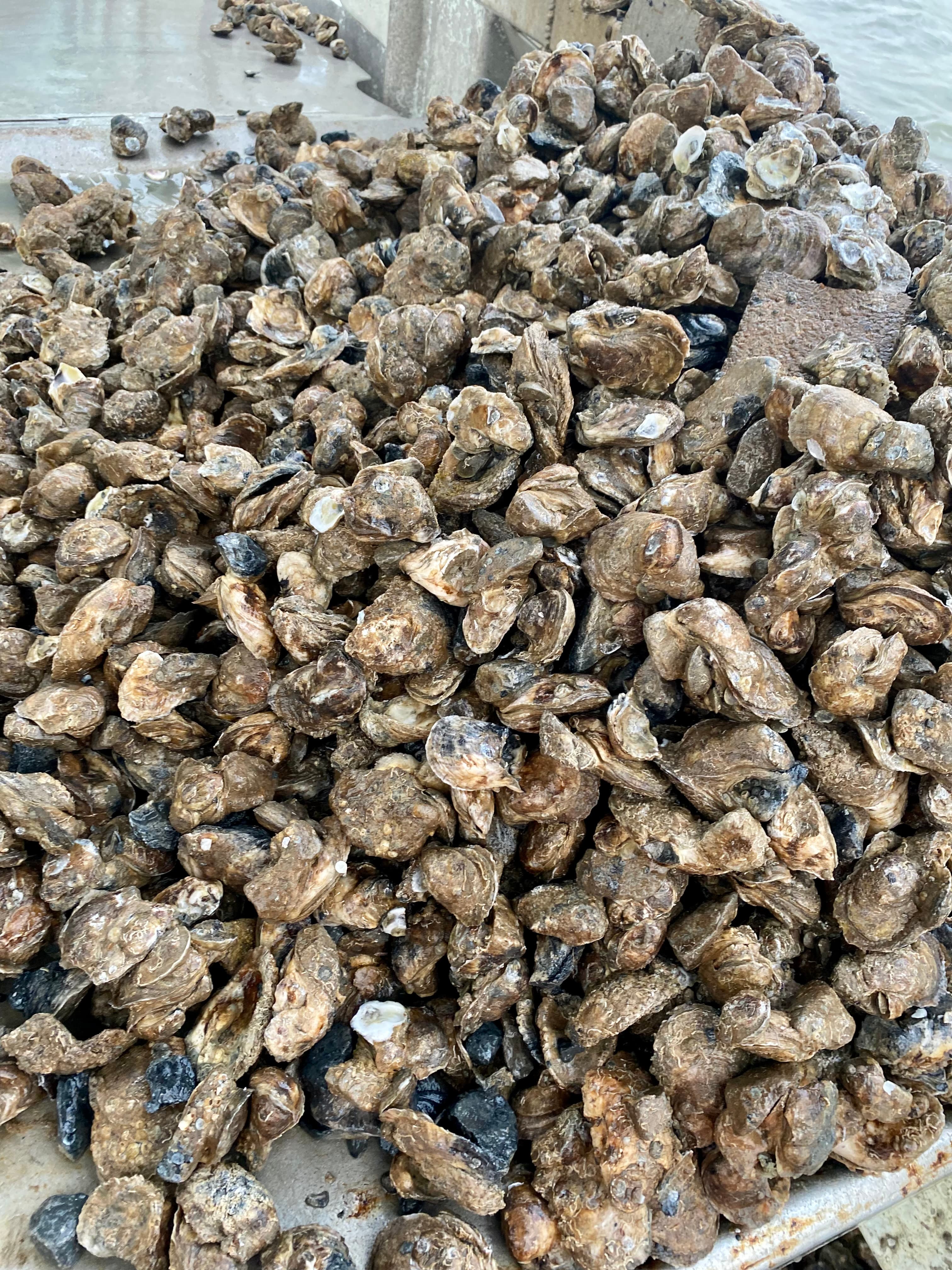
In Louisiana, there are 1.7 million acres of public oyster areas and 404,000 acres of private oyster leases managed by leaseholders. The 2021 Stock Assessment reports that in 2020, only 34 thousand pounds of oysters were harvested from public oyster reefs, while private oyster reef landings totaled approximately 3.5 million pounds.1
While the public areas have more than four times (4.2×) the surface area of the private leases, the private leases accounted for 99% of the commercial oyster harvest in 2020. The forecasts in the assessment predict private leases will continue to dominate in the years to come.
The Louisiana Department of Wildlife and Fisheries attributes the success of the private leaseholders to the frequency and extent of cultch material placement by those leaseholders — who are continually having to re-invest in their reefs.
Carbon Offsets
Quantification, monitoring, and independent verification
A credit is only worth what its accounting is worth. Ours is built on the GHG Protocol, measured in the field by the people who work these leases, and certified by an independent third party.
Quantification
The method for carbon offset quantification was developed using the concepts and procedures put forward by the World Resource Institute / World Business Council for Sustainable Development’s (WRI/WBCSD) report titled GHG Protocol for Project Accounting. The WRI/WBCSD framework for quantifying carbon offsets is fully endorsed and recommended by the U.S. Environmental Protection Agency.2,3
The method uses scientifically determined and published rates for carbon sequestration by oyster reefs sampled in the United States. The rate of sequestration is affected by several factors including depth, sediment composition, and the density of live adult oysters. Geospatial survey data is gathered annually to determine the surface area of oyster habitat present within the leases; a second round of sampling determines the density of live oysters within those surveyed areas.
To help gather the vast amount of data needed, we developed an app that allows commercial oyster fishermen to capture survey data on their mobile devices while performing their routine tasks. It precisely documents the location of survey work and cultch placement within the leases. Commercial entities also submit their harvest records — most of which were already required by the respective state agencies. Entities that provide documentation showing shells are returned to their leases from shucking houses receive credit for doing so.
The carbon footprint for the activities required to build or expand the reef is then calculated and deducted from the sequestration to determine the annual net carbon offset for each lease. That footprint accounts for the equipment used to load cultch onto the boats, the type and number of engines, the capacity of cultch per trip, the number of trips, the distance from dock to lease, and the velocity of the vessel.
Monitoring
A minimum of annual monitoring and documentation is provided by the commercial oyster entities. That said, they are on the water almost every day — so the amount of monitoring is far beyond that of any other restoration project.
Independent Verification
We are working with the Carbon Verification Alliance for independent review, confirmation, and certification of all offsets. Carbon Verification Alliance uses a third party to perform independent surveys to ensure the data is accurate.
Literature Cited
- 1LDWF 2021 Stock Assessment Report of the Public Oyster Seed Grounds and Reservations of Louisiana. https://www.wlf.louisiana.gov/assets/Resources/Publications/Stock_Assesments/Oyster/2021-Oyster-Stock-Assessment.pdf
- 2Greenhouse Gas Protocol. https://ghgprotocol.org/
- 3U.S. Environmental Protection Agency - Green Power Markets, Market Instruments. https://www.epa.gov/green-power-markets/market-instruments
Next
Beyond Carbon: The Other Benefits of Oyster Reefs